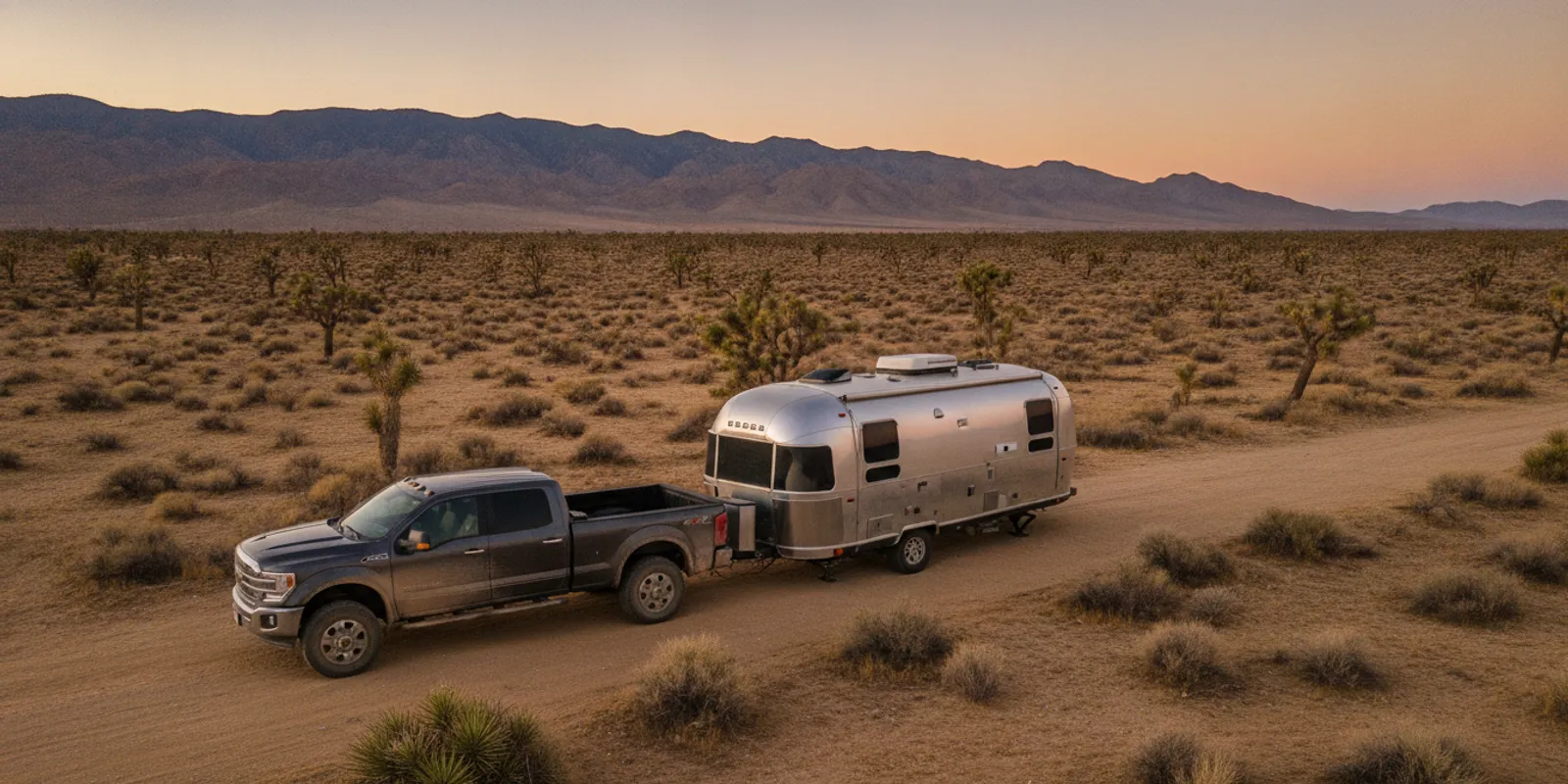
Ram 2500 towing capacity is not one number that applies to every truck. It depends on model year, configuration, equipment, and the manufacturer’s published limits. If you are comparing heavy-duty pickups for a camper, work trailer, or another load around Barstow and the High Desert, start with the exact truck and trailer combination—not a headline maximum.
What does Ram 2500 towing capacity tell you?
Towing capacity is the maximum trailer weight a particular vehicle is rated to tow under stated conditions. It can help narrow your choices, but it does not describe every limit on the truck. The trailer, passengers, cargo, hitch, tires, axles, and combined vehicle weight all matter. The specific owner’s manual, vehicle labels, and manufacturer information are more useful for a purchase decision than a general figure from a model overview.
Think of towing as a set of limits that must work together. A truck may have a high advertised trailer rating, but the actual trailer, its load, the people riding in the truck, and the hitch equipment still need to fit within all applicable ratings. The lowest relevant limit can constrain the setup. Two shoppers considering the same model may reach different answers because their trailers, cargo, passengers, or truck configurations differ.
Why can Ram 2500 ratings vary?
Two trucks with the same model name may have different ratings. Model year, engine, cab and bed configuration, drivetrain, axle ratio, wheel and tire equipment, and optional packages can affect published figures. A truck equipped for one job may not have the same rating as another configuration that looks similar.
A maximum shown for one year or configuration should not be treated as the rating for every Ram 2500. If you are considering a used truck, confirm its details on that individual vehicle rather than relying only on the trim name or an online summary. The exact manufacturer towing guide and vehicle documentation are the right starting points.
When comparing trucks, write down the model year, cab, bed, engine, drivetrain, axle information when available, and installed towing equipment. If a detail is unknown, treat the rating as unverified until you can confirm it. Keep the same checklist for each candidate so a difference in equipment does not disappear in a side-by-side comparison.
Which weight ratings should you check?
Before matching a Ram 2500 to a trailer, check the truck’s labels and documentation, then compare those figures with the trailer’s loaded information. These terms describe different constraints, not interchangeable measures of capability.
- Maximum trailer weight: The manufacturer’s stated limit for a trailer under the specified truck configuration and conditions.
- Payload: The weight the truck can carry, including occupants, cargo, hitch hardware, and the trailer’s tongue or pin weight.
- GVWR: Gross vehicle weight rating, or the maximum permitted loaded weight of the truck itself.
- GAWR: Gross axle weight rating, the limit for the load carried by each axle.
- GCWR: Gross combined weight rating, the maximum combined weight of the loaded truck and trailer when specified by the manufacturer.
- Tire and hitch ratings: These components have limits too. Use equipment rated for the load and follow its instructions.
Payload often surprises first-time tow buyers. Passengers, tools, bed cargo, accessories, and hitch equipment all use payload. Tongue weight from a conventional trailer or pin weight from a fifth-wheel trailer also bears on the truck. A trailer can be below the truck’s maximum trailer rating while the truck is still over its payload or axle limit.
For example, imagine a family choosing between two trailers that are both below the truck’s stated maximum trailer weight. One trailer is heavier when loaded with supplies; the truck also carries several passengers and equipment in the bed. Even if the trailer figure appears acceptable, that combination uses more payload and may place more weight on one axle. Review the loaded combination as a whole rather than judging from one number.
How do you estimate the trailer weight you need to tow?
Begin with the trailer as it will actually be used, not its empty or dry weight. Add the gear, water, supplies, and equipment you expect to carry. A trailer’s gross vehicle weight rating can help define its maximum loaded weight, but your realistic loaded weight is a better planning figure when known.
- List what you plan to tow. Note the trailer type, its current weight if available, and what you expect to load into it.
- Build a cargo estimate. Include tools, food, recreational equipment, water, and other travel items. If a tank may be full or partially full, account for the water you expect to bring.
- Count people and truck cargo. Estimate occupants and include luggage, bed cargo, accessories, and mounted equipment.
- Include hitch equipment and trailer load on the truck. Account for the hitch itself and tongue or pin weight. Use the trailer and hitch makers’ guidance for the appropriate loading arrangement.
- Check every applicable rating. Compare the planned combination with trailer, payload, GVWR, axle, tire, hitch, and combined ratings.
- Recheck when the plan changes. A different passenger count, added equipment, or heavier load can change whether the setup fits.
Leave a practical margin rather than planning to operate at the edge of a rating. Estimates can be wrong, and small additions accumulate. If weights are uncertain, a loaded scale check can provide a more useful picture than estimates alone. Use a suitable scale and follow the vehicle and trailer manufacturers’ guidance. Never exceed a published limit.
How should you compare a truck with your trailer?
Write down the details before shopping so you can compare candidates consistently. This worksheet keeps a large towing number from overshadowing the limits that apply to your real setup.
| What to compare | Information to gather | Why it matters |
|---|---|---|
| Truck identity | Model year, cab, bed, engine, drivetrain, axle, and installed equipment | Ratings can vary by configuration. |
| Trailer | Loaded weight estimate, trailer rating, and tongue or pin weight | Empty weight may not reflect travel use. |
| Truck load | Passengers, bed cargo, accessories, and hitch equipment | These use payload and affect axle loads. |
| Limits | Trailer, payload, GVWR, GAWR, GCWR, tire, and hitch ratings | All applicable limits must be respected. |
| Use conditions | Route, grades, heat, distance, and frequency | These help assess practicality beyond the rating itself. |
Use the same worksheet for every candidate. Keep notes on what is confirmed, what is estimated, and what still needs an answer. Separate facts from assumptions so you do not treat a best-case figure as a guaranteed rating. If one candidate lacks a verified axle or equipment detail, flag it instead of assuming it matches another truck.
A simple worked comparison can expose the gap between a headline figure and a real plan. Suppose your trailer’s empty weight is known, but the cargo estimate is not. Record the empty figure as confirmed and cargo as unknown; do not present their sum as a final loaded weight. Next, list occupants, luggage, and hitch equipment. Once the missing values are established, compare the complete combination against each applicable rating. If a required figure remains unknown, pause the comparison and obtain it.
What should High Desert shoppers consider?
Local driving can involve long distances, hot weather, highway speeds, and elevation changes. Consider more than whether a truck’s rating clears a minimum. Think about how the combination may feel on your routes, how often you will tow, and whether you need the truck for daily commuting. A setup used occasionally for a short local trip can present different practical demands from one used regularly on long highway journeys.
Route planning is part of matching a truck to a job. Consider grades, stopping places, rest breaks, and where you can park with the trailer attached. Heat and distance make preparation and condition checks especially important. Follow the owner’s manual for operating guidance; a high maximum rating alone does not answer questions about comfort, handling, or route suitability.
Also consider parking, maneuvering, trailer storage, and how much equipment you routinely carry. A larger truck can offer capability for a particular job, but it may be less convenient for errands or tight spaces. Match the vehicle to regular use as well as occasional trips. Shoppers coming from Victorville or other High Desert communities may also want to plan the route to the dealership and consider how a truck fits their everyday parking and commute.
What should you confirm on a specific Ram 2500?
Request the model year and full configuration. Review the manufacturer’s towing information and the vehicle’s labels and owner’s manual. If the truck is used, check that its installed equipment matches the information you are using. Avoid relying on a verbal estimate when the exact rating can be verified.
Ask which published rating applies to the configuration and whether the relevant package or equipment is present. If you are unsure how payload or axle limits fit your setup, clarify the figures before committing. A careful comparison is a better basis for a purchase than choosing solely because an advertised maximum is higher. Bring the trailer’s identification and loading details if you have them, and identify any numbers you still need to confirm.
For federal vehicle weight and carrying-capacity context, the Federal Register’s published rulemaking on cargo-carrying capacity explains vehicle capacity weight and related labeling requirements: read the federal cargo-carrying capacity rulemaking. Use this as background on capacity labels, not as a substitute for the specific Ram’s manual, labels, or towing information.
How can you make a towing test drive useful?
A normal test drive without a trailer cannot prove how a truck will handle your loaded setup. It can help you assess seating, visibility, controls, turning, braking feel, and ride comfort. If a towing demonstration is available and appropriate, follow dealership and manufacturer guidance and use a properly matched, safely loaded trailer.
- Adjust the seat and mirrors, and check visibility around the truck.
- Try low-speed turns and parking to understand the truck’s size.
- Notice whether controls and displays are clear and easy to use.
- Ask how the truck’s configuration was verified for the rating you are reviewing.
- Discuss your trailer and cargo list before deciding whether the truck fits.
Never exceed a rating or test a setup that has not been properly matched and secured. A test drive evaluates fit and comfort; it is not a chance to experiment with an unknown load. Bring your notes so the discussion focuses on your actual needs and unresolved questions.
How can you prepare for a loaded weigh check?
A scale reading is most useful when the truck and trailer are loaded as you expect to travel. List the usual passengers, cargo, trailer supplies, and accessories. Secure the load as you would for a trip, and avoid adding or removing items between weighing and comparing with ratings. Keep the manuals available so you can check the correct limits.
Ask the scale operator how to position the truck and trailer and obtain separate axle readings. Compare each result with the relevant vehicle, axle, tire, and trailer information. If the scale setup cannot provide a reading you need, do not infer it from a combined number. Seek a suitable weighing method or qualified guidance instead.
Use results as a snapshot of that loading arrangement. If you later add passengers, cargo, water, or equipment, the weight changes. Keep a simple record of the configuration and contents that were weighed. That makes it easier to understand what the measurement does—and does not—say about another trip.
What common towing mistakes should you avoid?
- Using a maximum from the wrong configuration. Confirm the exact year and equipment.
- Comparing trailer rating with dry weight. Include the load you will actually carry.
- Ignoring payload. People, cargo, and hitch load all count.
- Forgetting axle and tire limits. A headline towing figure does not override them.
- Assuming a heavier-duty truck removes all limits. Every vehicle and component has published limits.
- Mixing estimates and confirmed figures. Mark what is known and verify what remains uncertain.
- Overlooking daily use. Consider parking, comfort, and routine driving alongside towing needs.
- Adding cargo after checking the setup. Revisit the calculation whenever the load or passenger count changes.
Frequently asked questions
Is Ram 2500 towing capacity the same for every model year?
No. Ratings can change by model year and configuration. Verify the figure for the specific truck using its manufacturer information and vehicle documentation.
Can a truck tow a trailer if it weighs less than the maximum rating?
Not necessarily. You must also stay within payload, GVWR, axle, tire, hitch, and combined limits that apply to the setup. Trailer tongue or pin weight and passengers can use a significant part of payload.
Should I use a trailer’s empty weight?
Use a realistic loaded weight for planning. Add the equipment and supplies you expect to carry, then compare the resulting setup with all relevant ratings.
Does a regular test drive show how the truck will tow my trailer?
No. A test drive without a trailer can help you judge comfort, visibility, and controls, but it does not establish how your loaded combination will perform. Confirm ratings separately and use only a properly matched setup for any towing demonstration.
Where can I check a truck’s exact towing information?
Check the manufacturer’s information for the specific model year and configuration, along with the truck’s labels and owner’s manual. If details are unclear, confirm them before purchasing or towing.
Bring your trailer details, expected cargo, passenger count, and available weight information when comparing trucks, then confirm the complete loaded setup against applicable manufacturer ratings before you head out.