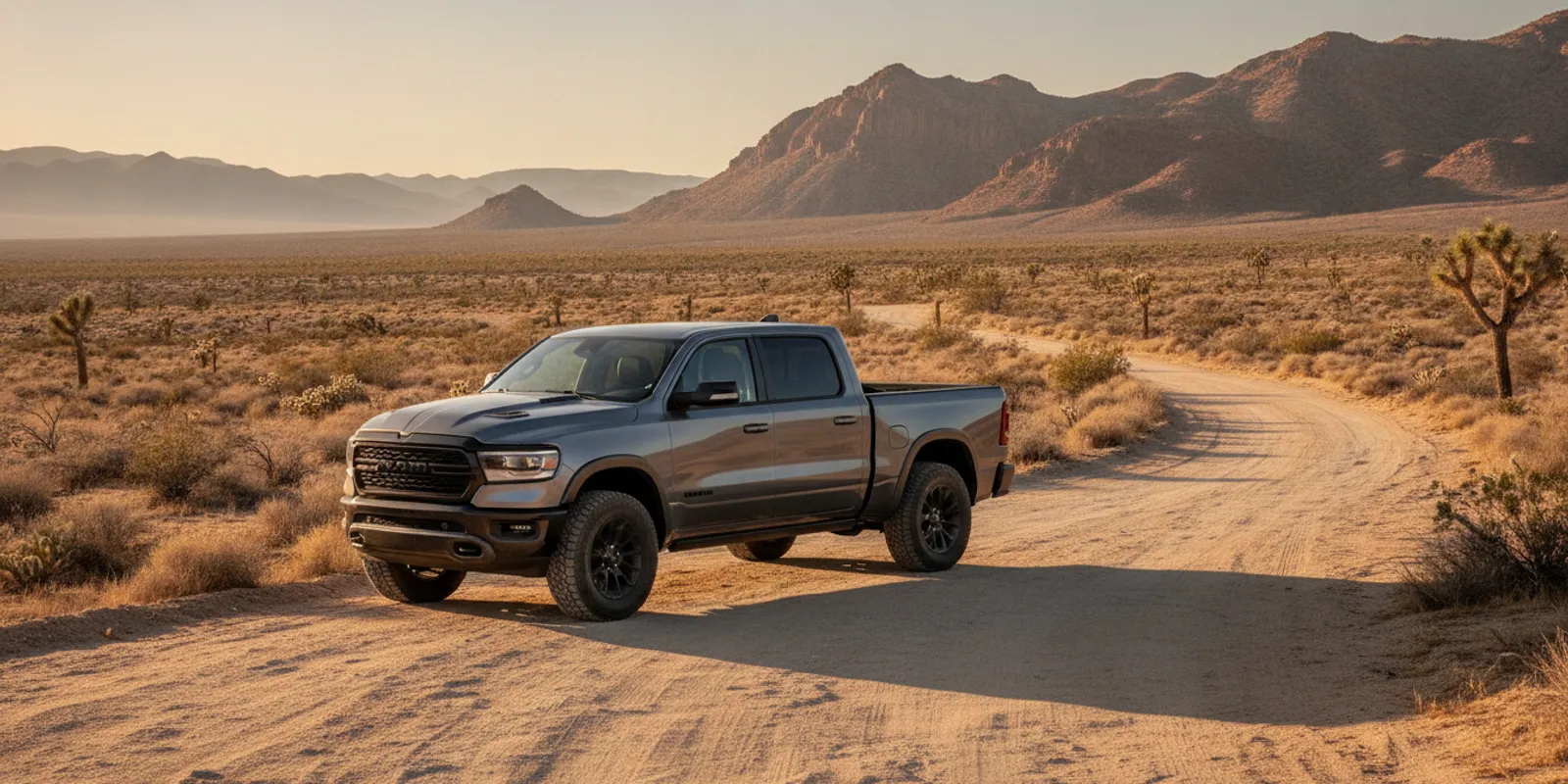
A useful Ram 1500 trim comparison starts with how you will use the truck, not with a list of badges. A trim can change comfort, appearance, available equipment, and price, but the best fit depends on the exact model year and configuration. If you are shopping in Barstow or elsewhere in the High Desert, this guide will help you compare the choices clearly and prepare useful questions before you visit.
Ask about Ram 1500 availability
What does a Ram 1500 trim comparison tell you?
A trim is a package level within a vehicle lineup. It generally groups together certain comfort, convenience, appearance, and capability features. The trim name gives you a starting point, but it does not tell the whole story. Options, packages, cab style, bed length, drivetrain, and model year can all affect what a particular truck includes.
That is why two Ram 1500s with different trim badges may not be a simple “basic versus fully equipped” comparison. One may prioritize work-ready simplicity, while another may focus on off-road equipment or upscale cabin features. Optional packages can also add equipment to a lower trim or change the configuration of a higher one.
Think of the comparison as three questions: What do you need the truck to do? Which features would make daily driving better? How much are you willing to pay for equipment you will actually use? Answering those questions first makes trim names easier to interpret.
Which Ram 1500 trim is the right starting point?
Trim names and equipment can change by model year, and not every version is available in every configuration. Rather than assume a particular name means the same thing on every truck, compare the actual vehicle details. These broad categories can help organize your first pass through the lineup:
- Work-focused versions: These are often the sensible place to begin if you want a pickup for regular hauling, jobsite use, or general utility. Check the included cabin conveniences and storage features, not only the starting price.
- Everyday comfort versions: These may add convenience and cabin upgrades that matter when you commute, travel with family, or spend long stretches behind the wheel. Decide which comfort features you would use often.
- Off-road-oriented versions: These are intended for buyers who value equipment and styling suited to rougher routes. Compare the specific equipment and tires on the truck, and consider whether your usual driving justifies the trade-offs.
- Premium or appearance-focused versions: These may emphasize upgraded materials, technology, distinctive design, or a more finished cabin. Separate features that improve your daily experience from details you simply like looking at.
These categories are a way to think, not a substitute for the current model-year equipment list. When you look at a specific truck, verify the window sticker and the vehicle’s actual configuration. If you have a particular use in mind, you can ask Mojave Auto Group about Ram 1500 options before making a trip.
How should you compare equipment instead of badges?
Make a short list of what you need, what you would like, and what you do not need. Then compare trucks against the list. This prevents a higher trim from seeming automatically better simply because it has more features. It also helps you spot a lower trim that may already include the equipment you care about.
Start with your everyday use
Write down the truck’s regular jobs. Do you mainly commute and run errands? Carry passengers? Bring tools or supplies? Travel on unpaved roads? Tow or haul? Be specific about frequency and conditions. A feature that solves a recurring need may be worth prioritizing; a feature that sounds appealing but rarely gets used may not deserve the same weight.
For High Desert driving, consider your actual routes and routines rather than assuming every buyer needs the same setup. A truck used mostly on paved roads has different priorities from one regularly taken onto rougher routes. If more than one person will drive it, include their needs in the list.
Separate must-haves from nice-to-haves
Must-haves are requirements, such as a particular cabin layout or a feature needed for a regular task. Nice-to-haves improve the experience but are not essential. Keep the lists short. If every feature is marked essential, the list cannot help you choose.
Consider comfort and convenience in practical terms: Will a particular seat, storage arrangement, display, or driver-assistance feature make a difference on a normal week? Check how the feature works in person where possible. A description can tell you that equipment is present, but sitting in the cabin helps you decide whether it suits you.
Check the exact configuration
Record the model year, trim, cab, bed, drivetrain, and listed options for each truck you compare. Do not assume that a trim name alone confirms a feature. Read the vehicle details and, when possible, review the original window sticker. Ask whether an item is standard on that truck, part of an option package, or an accessory.
This step matters when comparing online listings. Similar photos or trim badges do not guarantee identical equipment. Confirm the vehicle identification details and the current listing before you travel or make a decision.
How do price and equipment fit together?
Compare the actual advertised vehicle prices and the equipment on the specific trucks, not just a trim’s general position in the lineup. A higher trim may include features you want, but it may also include items you would not have chosen separately. A lower trim with a relevant package might be a better match—or the package may narrow the price difference enough that another configuration is worth considering.
When evaluating the price difference, identify what changed between the two vehicles. Is the difference tied to cabin equipment, capability-related components, appearance, or a combination? Ask for the full equipment list and the vehicle’s pricing details so you can compare like with like. A published vehicle-cost study has illustrated how a specific technology can affect the cost difference between base and upgraded vehicle trims; its example is not a Ram 1500 price quote, so use it only as a reminder to evaluate the actual equipment and offer in front of you (vehicle component cost estimation study).
Also look beyond a single monthly-payment figure. Compare the vehicle price, the amount financed, the term, and any trade-in or down payment assumptions. If you are considering financing, understand the full offer and ask which figures are estimates. Monthly payment alone does not show the complete cost of a vehicle.
How can you judge whether an upgrade is worth it?
For each feature that appears on one truck but not another, ask two questions: Will I use it often, and would I choose it if it were offered separately? This simple test helps put a price difference in context. An upgrade that improves a daily commute or supports regular work may be easier to justify than one that adds equipment you will rarely use.
Consider a buyer who uses a pickup for weekday travel and occasional home projects. A comfortable cabin and useful storage may be more valuable to that buyer than specialized equipment meant for frequent trail use. Someone who regularly travels on rough routes may reach the opposite conclusion. Neither choice is universally right; the routine is what makes the comparison meaningful.
Be cautious about treating a package name as a feature description. Ask what the package actually includes, whether its contents are available individually, and whether any listed equipment changes the vehicle’s configuration. If a package bundles both wanted and unwanted items, include the full bundle in your comparison rather than assigning value only to its most appealing feature.
It can help to rank the final short list from most important to least important. If two trucks meet your must-haves, use comfort, equipment, price, and driving impressions to distinguish them. If neither meets a critical requirement, widen the search rather than talking yourself into a poor fit. Before settling on one, ask about the equipment on a specific Ram 1500 and verify the listing details.
What should High Desert shoppers consider about capability?
Capability depends on the truck’s complete configuration and the job you expect it to do. Do not choose a trim based on a badge or a broad claim that one version is “more capable.” Verify the specific vehicle’s equipment and its applicable limits for your intended use. If you plan to tow or carry a load, share the details with the dealership and check the official information for the exact truck.
Think through the conditions you encounter. Daily commuting, occasional dirt roads, hauling materials, and regular off-road recreation are different use cases. Tires, drivetrain, suspension, and other configuration details may matter alongside trim. A feature built for one kind of use can involve a compromise elsewhere, such as added cost or equipment you do not need.
For occasional off-pavement travel, focus on the routes you actually take and the equipment that supports them. For work use, consider access, cab and bed needs, and how you will load or secure items. If towing is part of the plan, provide the trailer and cargo details rather than relying on a general maximum number found for a different configuration.
How can you compare two trucks side by side?
Use the same checklist for each vehicle. Put the details next to each other, then mark whether each item is essential, useful, or unnecessary. Ask a salesperson to clarify anything that is not clear on the listing or window sticker.
- Confirm the model year and trim. Equipment and trim names can change, so start with the correct year.
- Write down the configuration. Include cab, bed, drivetrain, and any listed packages or accessories.
- Compare your priority features. Note what is included, optional, unavailable, or still unclear.
- Review the complete price details. Compare the actual vehicle prices and any financing assumptions separately.
- Drive the truck if possible. Check seating, visibility, controls, ride, and how the cabin fits your routine.
- Confirm remaining questions. Ask about the specific equipment, intended use, and next steps before you decide.
A simple written comparison keeps the conversation focused. If you are choosing between two available trucks, contact the dealership to discuss the specific vehicles and confirm which details to review before visiting.
If possible, drive the trucks under similar conditions. Adjust the seat and mirrors, check outward visibility, try the controls you expect to use, and notice whether entering, exiting, and finding storage feel comfortable. Keep the route consistent when comparing two vehicles, because different roads or traffic can make the impressions harder to compare. A test drive is not a substitute for confirming specifications, but it can reveal preferences that a trim list cannot.
Take notes soon after each drive. Record what felt comfortable, what needed explanation, and what you would want to test again. Then compare those impressions with your must-have list and the vehicle details. This keeps a memorable first impression from overshadowing an important configuration or price difference.
What questions should you ask before choosing?
- What model year is this truck, and which features are included on this exact vehicle?
- Which equipment is standard, and which items come from an option package or accessory?
- How does this truck’s configuration match the driving, hauling, or off-road use I described?
- Can I review the window sticker and a complete price breakdown?
- Are there other available Ram 1500 configurations that meet my must-haves?
- Can I test-drive this vehicle and compare it with another configuration?
These questions help you move from general trim descriptions to the details that actually affect your decision. Mojave Auto Group represents RAM alongside Toyota, Nissan, Jeep, Dodge, and Chrysler at its Barstow location, so shoppers can also ask about the available inventory and timing before planning a visit. Availability changes, so confirm current details rather than relying on a past listing.
Get help comparing available Ram 1500 trucks
Frequently asked questions
Is the most expensive Ram 1500 trim automatically the best choice?
No. A more expensive trim may have additional equipment, but the right choice depends on whether those features suit your needs and budget. Compare the specific vehicles and prioritize the equipment you will use.
Can two Ram 1500 trucks with the same trim have different features?
Yes. Model year, configuration, option packages, and accessories can affect equipment. Check the details for the exact vehicle rather than assuming every truck with a particular trim badge is identical.
Should I choose an off-road-oriented trim for occasional dirt roads?
Not necessarily. First consider the roads you use and the truck’s actual equipment. Compare the added features and trade-offs with your needs, and ask about the specific configuration you are considering.
What is the best way to compare Ram 1500 prices?
Compare actual vehicle prices and equipment, then review financing terms separately. Make sure each offer uses the same assumptions for down payment, trade-in, and loan term, and ask for any unclear figures in writing.
What is a practical next step?
Choose a few must-haves, identify the types of use the truck needs to support, and compare those priorities against specific vehicles. Verify each truck’s model year, configuration, equipment, and price before deciding. A careful Ram 1500 trim comparison can help you focus on the pickup that fits your life in the High Desert rather than paying attention to the badge alone.