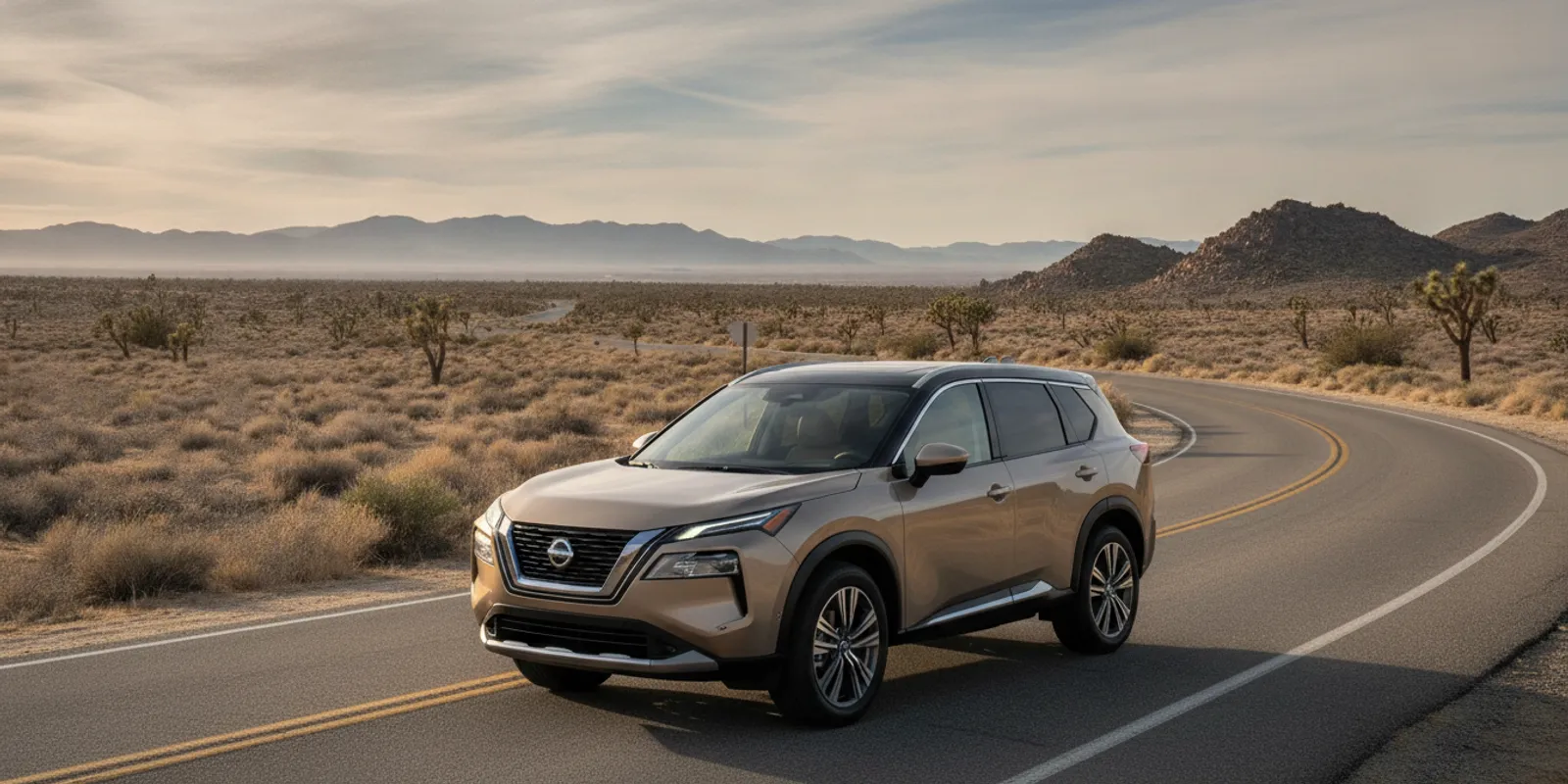
If you are considering a Nissan Rogue, start with the way you will use it every week. Passenger needs, cargo, daily routes, and ownership budget matter more than a general feature list. For Barstow and other High Desert shoppers, it also makes sense to consider long highway stretches and hot weather when planning a test drive. This guide explains how to compare specific new and used examples and decide what to check before choosing.
What should you consider before choosing a Nissan Rogue?
Begin by writing down your ordinary routine. Include who rides with you, the items you carry, and the roads you travel. A short list makes it easier to judge whether the vehicle suits your life instead of being distracted by a feature that you may rarely use. If more than one person will drive, have each driver identify their priorities.
- Passengers: Consider how often adults sit in the back, whether child seats or boosters are used, and how easy it is for passengers to enter and exit.
- Cargo: List typical loads such as groceries, luggage, strollers, sports equipment, or work items. Bring one representative object to check fit in person.
- Routes: Estimate how much of your week is spent on local streets, freeways, or uneven roads. A test drive should include familiar kinds of roads when practical.
- Ownership plan: Decide whether you are comparing new, used, or both. Your budget, desired equipment, and timeline may affect which examples are realistic.
The Rogue is a compact SUV, which may suit shoppers looking for an elevated seating position and flexible passenger and cargo space without stepping up to a larger SUV. That description is only a starting point: dimensions, features, and equipment can differ by model year, trim, and individual vehicle. Sit in the specific Rogue and check the details rather than assuming every version is alike.
How can High Desert driving shape your choice?
Life around Barstow can involve local errands, freeway travel, or a longer drive to another community. Heat and sun exposure are sensible factors to consider, but they do not automatically make one trim or vehicle right for everyone. Use your actual routine to form a checklist. For example, a shopper who spends most days commuting may care most about seat comfort and visibility, while a household that regularly carries passengers may place greater weight on rear-seat access.
While parked, set the driver's seat, steering wheel, and mirrors to your liking. Check whether you can see clearly around the vehicle and whether the primary controls are easy to understand. Try the climate controls and consider whether the cabin feels comfortable to the people who will ride most often. If you often carry passengers, ask them to sit in the back and share their impressions rather than judging the space from the driver's seat.
If your routine occasionally includes dirt roads or recreation areas, be specific about the conditions you expect. A compact SUV should not be treated as a substitute for a dedicated off-road vehicle. Ask about the equipment and intended use of the exact Rogue you are considering. Pick a vehicle for the roads you regularly travel, not an occasional situation that may require capabilities the vehicle was not designed to provide.
Which Nissan Rogue details should you compare?
Two vehicles bearing the same model name can vary in model year, trim, mileage, equipment, and condition. For a new vehicle, confirm the exact trim and equipment on the vehicle listing and purchase documents. For a used Rogue, review the information available about its history and maintenance, ask about known condition concerns, and inspect the vehicle. Make sure you understand what is included in any written price or purchase terms.
| Comparison area | What to check | Why it matters |
|---|---|---|
| Year and trim | Confirm model year, trim, and listed equipment for the actual vehicle. | Specifications and features may differ among versions. |
| Passenger comfort | Try the front and rear seats with your usual passengers in mind. | Comfort is personal and is best checked in person. |
| Cargo flexibility | Check the cargo area and seat arrangement; test typical items. | A real fit check is more useful than a general impression. |
| Used condition | Review mileage, available history, service information, and visible wear. | The condition and records of the individual vehicle matter. |
| Purchase terms | Compare the written vehicle price and other terms. | Clear details help you assess the complete purchase. |
Do not assume a feature is included just because it appears in a general model overview. Ask the dealership to confirm the equipment on the specific vehicle. Similarly, compare written pricing and terms for the vehicle you are considering, not a broad estimate or an advertisement for a different example. If a detail is unclear, ask for it to be explained before you make a decision.
Should you choose a new or used Nissan Rogue?
There is no universal answer. A new vehicle may appeal if you want a current model and would like to choose among available configurations. A used Rogue may suit a shopper willing to compare different model years and evaluate each example by price, mileage, equipment, and condition. Consider actual vehicles that fit your budget, rather than comparing an idealized new vehicle with an unspecified used one.
| Option | Questions to ask | Useful next step |
|---|---|---|
| New Rogue | Which year and trim are available? What equipment is included? What are the written terms? | Review details and arrange to see or drive the specific vehicle. |
| Used Rogue | What are the mileage, condition, available history, and service records? Which features are present? | Inspect the vehicle, ask about its history, and take a test drive. |
| Both | Which actual choice meets your needs and budget after a side-by-side comparison? | Compare written details for the vehicles you could realistically purchase. |
Financing is part of the overall decision. Before discussing options, think about a monthly amount that feels manageable and the total amount you expect to spend. Request terms in writing and take time to understand the figures, including the length of the agreement and any amounts due. If you have a vehicle to trade, discuss its value, but keep the vehicle price, trade-in amount, and financing terms clear as separate items. Comparing them separately makes it easier to see how each part affects the overall decision.
How should you prepare for a Nissan Rogue test drive?
A little preparation can make a short drive more informative. Bring the people who regularly ride with you when possible. If relevant, bring a child seat, mobility aid, or common cargo item. Before arriving, choose three priorities so you can focus on what matters most rather than trying to evaluate everything at once.
- Set your priorities. Pick three items such as rear-seat comfort, visibility, and cargo access. Note any requirement that is essential rather than merely preferred.
- Check the basics while parked. Adjust the seat and mirrors, try the controls, and check entry to the rear seats and cargo area. Confirm the specific equipment you wanted to see.
- Drive familiar kinds of roads. If available and appropriate, include local streets and a highway segment. Notice comfort, visibility, noise, and whether the vehicle feels easy to operate.
- Ask about this exact Rogue. Confirm its model year, trim, equipment, and, if used, available condition and history information.
- Pause and compare. Write down what worked and what did not. Compare it with another vehicle only after checking equivalent details.
Keep the test drive to ordinary, safe use. Do not test vehicle limits on public roads. If a feature matters to your decision, ask for a demonstration while parked or in another safe setting. After the drive, take a moment to record your impressions before they blur together. A simple note such as comfortable front seat, rear access tight, cargo fits stroller is more useful later than relying on memory.
What should you ask when comparing Rogue vehicles?
Clear, specific questions help you get practical answers. For a new Rogue, ask which equipment is included on the exact vehicle and whether the listed price applies to that vehicle. For a used Rogue, ask what records can be shared, what inspection or reconditioning information is available, and whether any known condition concerns should be considered. You can use the following list during a visit:
- Can you confirm the model year, trim, and equipment of this vehicle?
- For a used Rogue, what history and maintenance information is available for me to review?
- What is the written vehicle price, and what other charges or terms should I understand?
- Can I compare this vehicle with another Rogue or another SUV that meets my needs?
- What information should I bring if I want to discuss financing or a trade-in?
- Can I take the test drive on roads similar to the ones I use regularly?
Use the answers to separate facts from preferences. A statement that the trim has the equipment you need is a fact to verify on the vehicle. Your preference for the feel of a seat is a personal judgment to assess yourself. Both matter, but they are checked in different ways.
How can you compare a Rogue with other vehicles?
If you are not sure the Rogue is the right size or layout, compare it with another SUV that meets the same needs. Keep the comparison fair by bringing the same passengers and cargo item, driving similar roads, and checking comparable written details. Avoid deciding on the basis of a single feature when the overall fit matters more.
For example, a family that uses a child seat might compare how easily the seat can be installed, how much room remains for front passengers, and whether the child can be buckled comfortably. A commuter could focus on seating position, visibility, control layout, and comfort over a representative drive. A shopper carrying tools or sports gear can check loading height and whether the cargo space works with everyday items. These simple checks can reveal practical differences that a specification list does not answer.
Mojave Auto Group represents Toyota, Nissan, Jeep, RAM, Dodge, and Chrysler in Barstow. If you are open to comparing different makes, evaluate each vehicle on the same needs and confirm details for the individual vehicle. A broader choice does not mean every model will suit your situation; your checklist should remain the guide.
How should you evaluate a used Rogue in person?
Start with the listing and any available vehicle history or maintenance information, then verify that the vehicle in front of you matches what you reviewed. Check the body and cabin for visible wear, look at the tires, and operate the doors, windows, and other controls. These observations do not replace a qualified inspection, but they help you identify questions to ask before proceeding.
During the drive, listen and pay attention to how the vehicle feels in ordinary use. If you notice something unexpected, describe it clearly and ask for an explanation. Do not assume a sound or warning is harmless, and do not assume it signals a serious fault without further information. The important next step is to have the concern addressed and understand what documentation or inspection is available for that particular vehicle.
Check that the VIN and the vehicle description on the paperwork correspond to the Rogue you inspected. You can also use the National Highway Traffic Safety Administration as a starting point for vehicle-safety information and recall resources; verify any information against the vehicle's VIN and ask the seller about open recalls. Review the terms, any disclosures, and documents you are asked to sign. Take time to read them, ask about unfamiliar language, and request clarification in writing if needed. This careful process is useful for any used vehicle, regardless of brand.
How can you plan a dealership visit from Barstow or nearby?
If you are traveling from Victorville, San Bernardino County, or another High Desert community, identify the vehicles you want to see and confirm their availability before setting out. Inventory can change, so a quick check can help avoid a trip for a vehicle that is no longer available. Make a short list of questions, allow time to review the vehicle, and avoid scheduling so tightly that you feel rushed.
Bring a driver's license if you plan to drive and any relevant information you want considered in a trade or financing discussion. You do not have to decide on your first visit. Take notes, compare your options, and ask for clarification whenever a detail is unclear. If you want to continue comparing from home, keep the listing or vehicle details so you can refer to the same example later.
For shoppers weighing ownership costs, think beyond a single monthly figure. Consider the purchase terms, your expected driving, routine maintenance, and how long you expect to keep the vehicle. These personal estimates are not a promise of future expenses; they are a way to check whether the choice fits your household plans. Ask which service and maintenance information is available for the model year you are evaluating, and consult the owner's manual for vehicle-specific guidance after purchase.
What is a practical next step?
Turn your checklist into a short list of specific Rogue vehicles to review. Compare year, trim, equipment, space, condition if used, and written terms; then arrange a visit for the strongest match. A careful look at the actual vehicle, paired with a test drive on familiar roads, is a practical way to decide whether a Nissan Rogue fits your life in the High Desert.
View Mojave Auto Group vehicle options
When you are ready, bring your questions and priorities, and take the time you need to make a clear comparison.