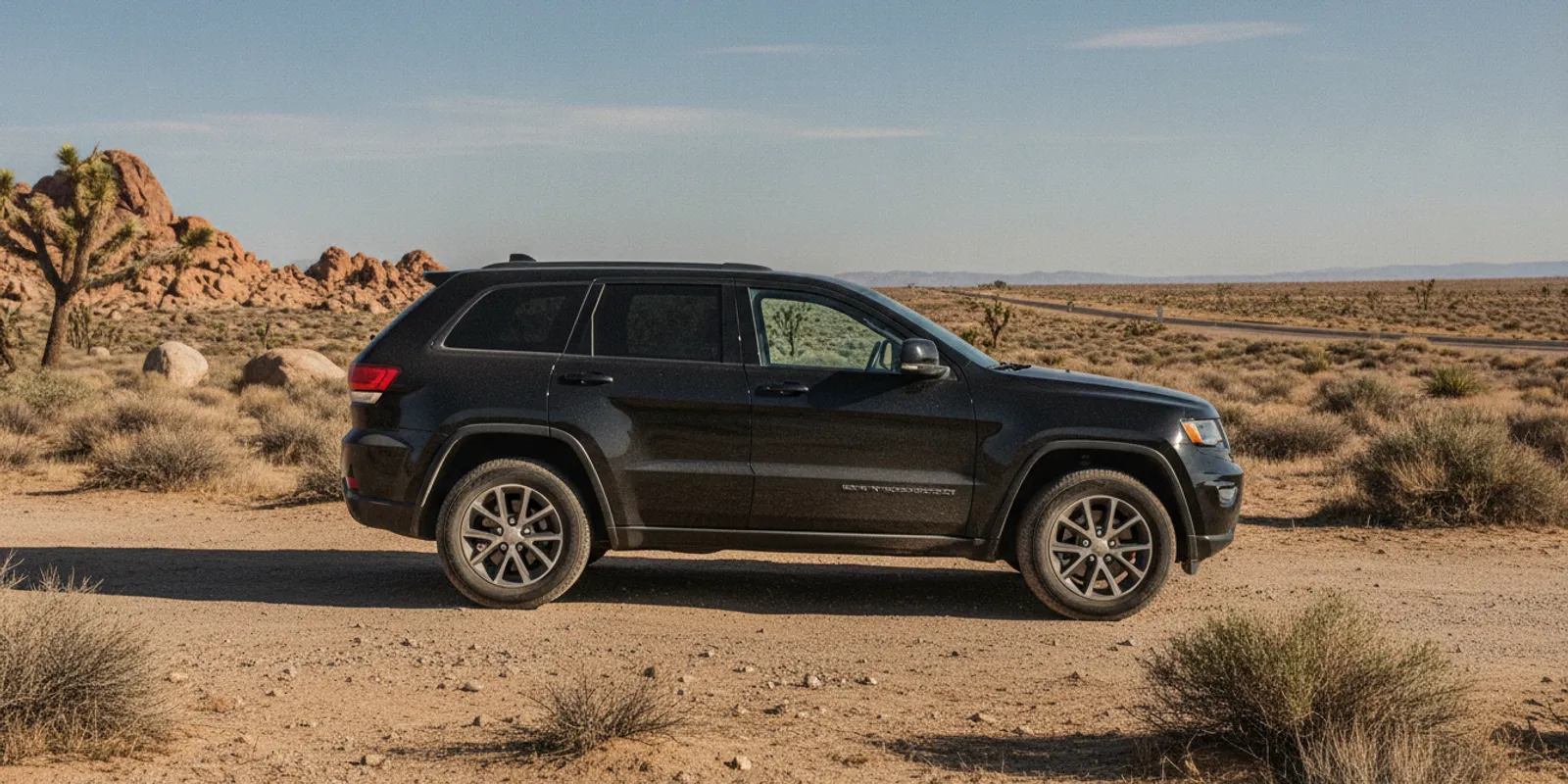
Choosing among Jeep Grand Cherokee trim levels can feel difficult because a trim name is only the starting point. Equipment, comfort, appearance, and price can vary by trim, model year, and package. For shoppers in Barstow, Victorville, San Bernardino County, and nearby High Desert communities, the right choice should suit daily driving, family needs, desert travel, and budget.
What should you know about Jeep Grand Cherokee trim levels?
Trim levels are equipment groupings within a vehicle line. A lower trim may focus on essential comfort and value. A middle trim may add convenience or technology. A higher trim may include premium materials, driver-assistance features, or off-road equipment, depending on the year. No higher trim is automatically right for every driver. A commuter may value comfortable seats and intuitive controls; a family may prioritize rear-seat comfort and cargo flexibility; an off-road enthusiast may care more about tires, traction, clearance, and underbody protection.
Start by listing the number of people and the cargo you usually carry. Then identify the road conditions you actually encounter, and write down the features that would improve ordinary trips. Compare trim names only after deciding what matters. Shoppers comparing brands can also browse Mojave Auto Group vehicle options as part of their research.
Names and equipment change by model year. Confirm the exact vehicle listing, equipment information, and window sticker rather than assuming a familiar trim name means the same thing across years.
How do Jeep Grand Cherokee trim levels differ?
Compare each vehicle across a consistent set of areas:
- Comfort: seat materials and adjustments, climate controls, and cabin finishes.
- Technology: display, smartphone connectivity, navigation availability, audio, and charging ports.
- Capability: drivetrain, drive modes, wheels and tires, towing equipment, clearance, and off-road features.
- Safety and driver assistance: systems that may support awareness, parking, lane positioning, or distance management.
- Appearance: wheel design, exterior details, lighting, and interior colors.
Used vehicles may follow a different trim structure than current models. Compare the exact vehicle's equipment list and model year. A historical Jeep overview illustrates that specifications and configurations vary over time: review this Jeep model overview.
Which trim is a practical starting point for a daily driver?
A value-focused trim can make sense if it has the features you need without charging for equipment you will rarely use. Begin with seat comfort, visibility, climate operation, storage, camera views, and controls you use often. On a test drive, set the seat and mirrors, assess visibility, and notice ride comfort, steering, cabin noise, and climate operation. If several people will use the SUV, have each driver try the adjustments.
Use a repeatable routine: check the view over the hood and through the rear window, try the climate settings, and park in a space like the ones you use regularly. Explore screens and menus while parked. Take notes immediately afterward so you can remember differences between similar vehicles. Bring another household driver if possible; seat position and visibility can vary from person to person.
A lower-priced trim may be right when it has the equipment that matters. If you already know you want a feature included in another configuration, compare the price difference. The goal is not simply to choose the least expensive SUV, but to avoid paying for equipment you will not use or adding costly accessories later.
When does a middle trim make more sense?
A middle trim may be worthwhile when added convenience improves your routine. Depending on year and package, features could include upgraded seat adjustments, added connectivity, improved lighting, storage, or flexible cabin controls. Ask for the vehicle-specific equipment list because packages vary.
Families should test the cabin with the people and items they regularly carry. Check child seats, coolers, work bags, groceries, or recreation gear. Open the rear doors, sit in the second row, and test the cargo area rather than judging space from photographs. Measure a stroller or large cooler beforehand and check the cargo opening as well as the floor.
A middle trim can offer a useful balance in the used market, but a badge alone does not reveal what is installed. Review equipment, service records when available, tires, and visible wear. Consider which features you would use weekly, monthly, or rarely. You can compare available vehicle choices as one part of that research, then verify each SUV's details.
Who may benefit from a higher or capability-focused trim?
A capability-focused trim may suit shoppers who regularly travel on unpaved roads, visit recreation areas, tow within published limits, or want additional cabin features. Separate regular use from occasional interest: equipment for frequent trips may justify a higher price, while a feature used once a year may not.
Evaluate off-road equipment as a system. Ask about drivetrain, drive modes, wheel and tire configuration, clearance, and underbody protection. A trim badge alone cannot explain a specific vehicle's configuration. For used SUVs, inspect tires and the underside, and ask whether modifications or replacement parts have documentation.
Capability does not replace responsible planning. Check route and conditions, stay within published limits, and use equipment as intended. If towing matters, compare the exact vehicle configuration and required equipment with the trailer you plan to use. A gravel access road or maintained dirt route is not the same as a technical trail, so describe your actual trips and check the specific vehicle's specifications.
How can you build a shortlist before visiting?
A short plan makes an in-person comparison more useful. Write down your typical week, not an idealized version of it. Include the regular commute, school or work trips, grocery runs, weekend drives, and any unpaved access roads you use. For each trip, note who rides along, what you carry, and whether parking or visibility is a concern. This helps separate everyday needs from features that sound appealing but may rarely matter.
Next, turn that list into a few specific checks. If you regularly carry passengers, confirm the rear doors open wide enough for easy entry and that each passenger can sit comfortably. If you often load bulky items, check the height of the cargo opening and whether the floor is easy to reach. If you drive in changing conditions, ask how the specific vehicle's drivetrain and drive modes work and whether its tires suit your use. Do not assume a trim badge guarantees a feature: verify the equipment on the vehicle itself.
Keep the shortlist manageable. Two or three candidates are usually easier to compare carefully than a long list of trim names. Record model year, mileage for used vehicles, asking price, equipment you care about, and questions that still need answers. A vehicle that misses one must-have can be removed without spending time comparing every optional detail.
How can you compare options without getting lost in features?
Divide desired features into three groups:
- Must have: seating, cargo access, drivetrain, or required technology that determines whether the vehicle works for your household.
- Would like: comfort or convenience features that are useful but not essential.
- Not important: equipment that will not change how you drive or use the SUV.
Then compare two or three specific vehicles using the same questions. Is a feature standard or part of a package? Is it installed on this exact vehicle? Does it affect price, insurance, tires, maintenance, or your budget? Would you choose the vehicle without an appearance feature?
A simple comparison table keeps the decision grounded:
| Area | Vehicle A | Vehicle B | What to verify |
|---|---|---|---|
| Everyday comfort | Seat and climate features | Seat and climate features | Try the controls and seating |
| Capability | Drivetrain, tires, modes | Drivetrain, tires, modes | Confirm exact equipment and use |
| Technology | Connectivity and display | Connectivity and display | Test key functions while parked |
| Cost | Price and ownership needs | Price and ownership needs | Compare written figures and condition |
Fill the cells with actual vehicle details. Mark the added features you value and compare them with the price difference. This helps show whether the upgrade addresses a real need.
What should High Desert shoppers consider about heat, dust, and distance?
During a test drive, pay attention to air-conditioning operation, seat comfort, visibility, and whether controls are easy to use. A vehicle that feels comfortable during a brief visit may feel different on a longer trip. Dust and rough surfaces make used-vehicle inspection important: look at tire wear, inspect the underside for visible damage, and check doors, liftgate, windows, cameras, and lights. Review service documentation when available and ask whether the SUV has been used for towing or off-road travel.
Distance matters when planning ownership. Think about where service will be convenient and how the SUV fits your routine. Mojave Auto Group brings Mojave Chrysler Dodge Jeep Ram, Mojave Nissan, and Mojave Toyota together in Barstow, serving local and surrounding High Desert shoppers.
How should you make a useful test drive?
Plan the drive around the questions that matter to you. Before leaving, adjust the seat, steering wheel, and mirrors. Confirm that you can reach frequently used controls without straining and that the instrument display is easy to read. Check the view around the vehicle while parked, then try parking and backing in a safe, appropriate area. If the SUV will be shared, let each regular driver repeat the setup rather than assuming one seating position works for everyone.
On the road, notice the ride over the surfaces you commonly encounter, steering feel, braking response, and cabin noise. These are observations, not a substitute for a mechanical inspection, especially on a used vehicle. Try the climate controls and audio while stationary before the drive, and avoid exploring menus while moving. If a feature is unfamiliar, ask for a demonstration and then decide whether it would make your regular trips easier.
Afterward, write down what felt comfortable, what seemed awkward, and what you want to verify. A concise record prevents a common comparison problem: remembering the most recent vehicle best and overlooking a drawback noticed earlier. For a used SUV, pair the drive with a careful review of condition and available service information. Ask about warning lights, tire condition, visible damage, and any accessories or modifications; seek an independent inspection if you want an additional assessment before purchase.
How should you compare a new and used Grand Cherokee?
A new SUV offers a current model-year configuration and a choice among available equipment. A used SUV may offer a lower purchase price or a higher trim at a similar budget, but condition and history matter more. For a new vehicle, confirm model year, equipment, packages, warranty information, and current pricing. For a used vehicle, confirm year, trim, mileage, service history when available, tire condition, and whether added accessories are installed properly.
Do not compare only monthly payments. A longer term can lower a payment while increasing the total amount paid. Review selling price, trade-in value, down payment, estimated rate, term, taxes, fees, and optional products separately. If you have a vehicle to trade, gather mileage, maintenance records, and details about its condition before requesting a value.
How should you weigh features against ownership costs?
Compare the complete value of each candidate, not just the trim's equipment list. A higher-priced vehicle may include conveniences you would otherwise add later, but an included feature has little value if you will not use it. Conversely, a feature that supports a daily need—such as easier parking, a seating adjustment that improves comfort, or a drivetrain suited to your regular route—may matter more than several appearance differences combined.
Make a simple feature ledger. Put each desired item in one column, mark whether it is present on the exact vehicle, and give it a practical rating: essential, useful, or optional. Then note the price difference and any expected ownership considerations you can verify, such as tire size and replacement availability. Do not guess at costs; request current written details where needed. For a used vehicle, factor condition into the comparison: a worn tire set or missing maintenance records can change the value of an otherwise appealing trim.
Consider a worked example. Imagine two SUVs that fit the same household and budget range. Vehicle A has a lower price and the essentials, while Vehicle B costs more and adds a convenience feature used on nearly every commute plus styling upgrades. If the convenience feature solves a real daily problem, compare its value with the added cost. If the extra price mainly buys appearance items you do not care about, Vehicle A may be the more sensible choice. The answer depends on your own use, not a universal trim ranking.
What questions should you ask before choosing a trim?
Bring questions that apply to the exact Grand Cherokee:
- What is the model year and exact trim?
- Which features are standard, and which are part of a package?
- Does this vehicle have the drivetrain, tires, and equipment I need?
- Can I test seating and cargo fit with the items I carry?
- What service history or vehicle-history information is available?
- What is included in the written price, and what other costs should I plan for?
- Can I take a thorough test drive and inspect the features before deciding?
These questions are more useful than asking which trim is best. The right fit has equipment that suits your needs without stretching your budget for features you will not use.
How can financing and a trade-in fit into the decision?
Consider the complete purchase rather than focusing on one number. Set a comfortable down payment, payment range, and term. When comparing new and used vehicles, use the same assumptions where possible. A trade-in can affect which trim fits your plan; a clear estimate can show how your current vehicle changes the amount you may need to finance. Rates, incentives, inventory, and availability change, so verify current written figures for the specific vehicle.
As you compare choices, you can start with Mojave Auto Group's vehicle options and review the details for each SUV.
Frequently asked questions
Are Jeep Grand Cherokee trim levels the same every year?
No. Names, standard equipment, packages, drivetrain choices, and available features can change by model year. Compare the exact vehicle listing and equipment information.
Is the highest Grand Cherokee trim automatically the best choice?
No. A higher trim may add features you value, but can increase purchase and ownership costs. Choose based on equipment you will use and your driving conditions.
What should an off-road shopper check first?
Start with the exact drivetrain, drive modes, tires, clearance, underbody protection, and towing equipment if relevant. Confirm that the configuration matches your planned use.
Should used shoppers focus on trim or condition?
Both matter, but condition and history deserve close attention. A well-maintained SUV with the features you need may fit better than a higher trim with excessive wear or limited records.
Where can High Desert shoppers begin comparing vehicles?
Write down your must-have features, budget, and intended use, then compare specific vehicles and arrange a test drive. Mojave Auto Group serves Barstow and nearby High Desert communities through its Toyota, Nissan, and Chrysler Dodge Jeep Ram dealerships.
Explore vehicles at Mojave Auto Group
What is the best way to decide?
Choose the Jeep Grand Cherokee trim that gives you the comfort, capability, technology, and budget fit you can use, then confirm the exact equipment and vehicle condition before you buy.