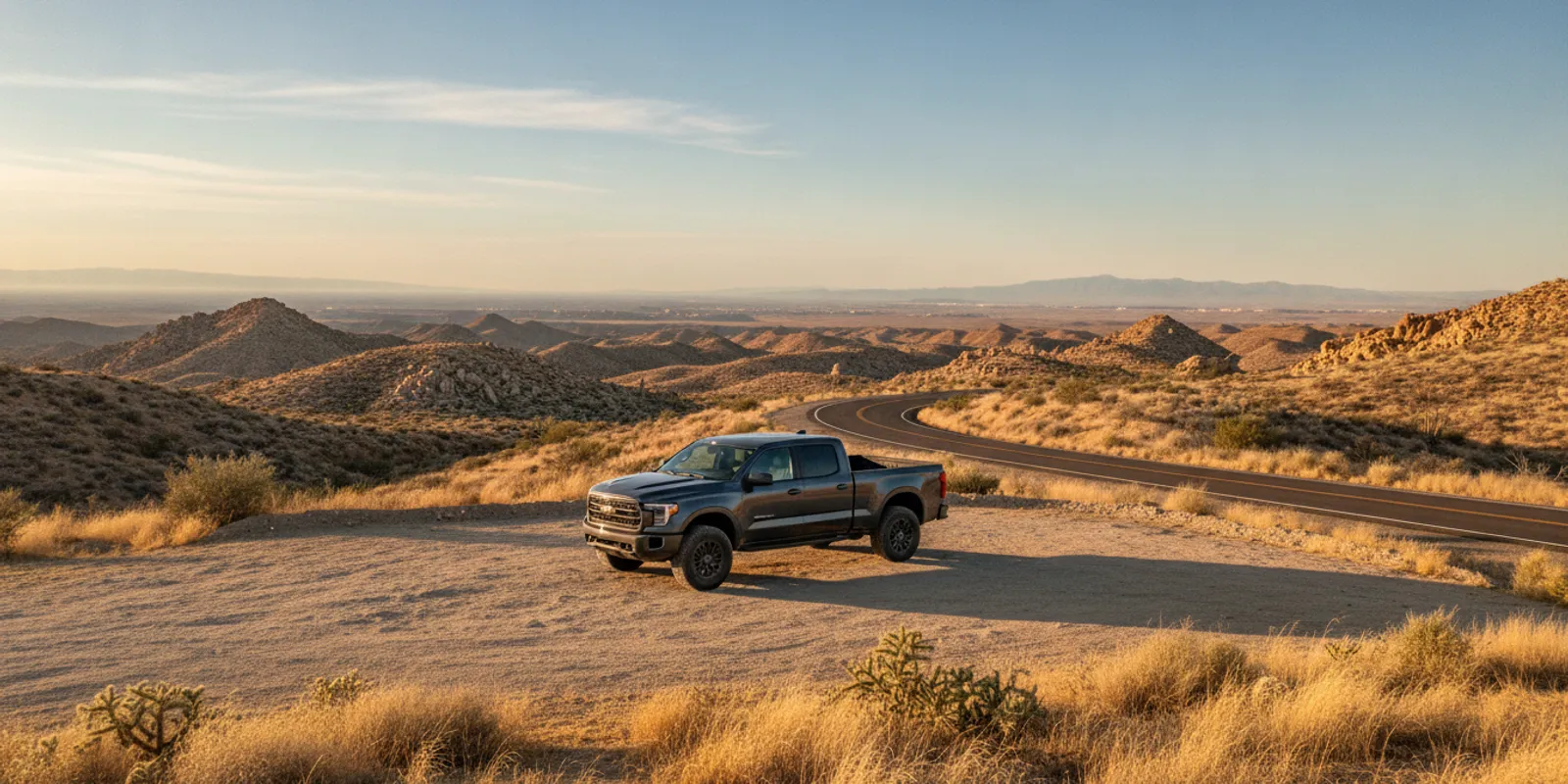
Finding a Fort Irwin car dealership is only one part of choosing a vehicle that fits military life. The right option should suit your commute, household, budget, and plans for your next move. This guide explains how Fort Irwin personnel and families can compare vehicle types, prepare financing information, and make a trade-in plan before visiting a dealership in the High Desert.
Contact Mojave Auto Group about your vehicle search
What should Fort Irwin drivers consider before choosing a vehicle?
Start with the driving you do most often, rather than with a trim name or a single feature. Fort Irwin is about 37 miles from Barstow, so some personnel travel between the installation and nearby communities. Your routine may also include longer highway trips, errands with family, or weekends on roads that vary in condition. Think through a typical week and write down what the vehicle must handle.
Consider these questions:
- How many miles do you expect to drive on an ordinary workday?
- Will you usually travel alone, with passengers, or with children and car seats?
- Do you need room for a stroller, work gear, luggage, or recreational equipment?
- Will you mostly drive paved roads, or do your plans include appropriate unpaved routes?
- How long do you expect to keep the vehicle, and might you move before then?
- What monthly amount can fit your budget after insurance, fuel, maintenance, and other expenses?
These answers help you set priorities. A driver who mainly commutes may value comfort, visibility, and manageable running costs. A household that regularly carries people and cargo may need a different layout. A truck or SUV can be worth considering when its space or intended use matches your needs, but a larger vehicle is not automatically the best fit. Compare actual cargo space, seating, ease of entry, and the way each candidate feels on the road.
Keep the requirements separate from preferences. A must-have could be room for a specific number of passengers or enough space for a daily equipment load. A preference might be a particular color or an optional convenience feature. This distinction helps you compare a broader range of new and used vehicles without losing sight of what matters.
One useful method is to create a two-column shortlist. Put requirements such as passenger count, cargo dimensions, budget ceiling, and required equipment in the first column. Put preferences such as a color, a certain screen size, or a convenience feature in the second. If a vehicle meets every requirement but misses one preference, it may still deserve a test drive. If it misses a requirement, note the gap instead of letting an appealing feature distract from it.
Try a simple household example: a service member who commutes alone most days but has two children may need easy-to-install child seats and enough weekend cargo room, rather than the largest possible vehicle. Another driver who regularly carries bulky gear may place cargo shape and access ahead of rear-seat space. These examples are not rules; they show why your own weekly routine is a better starting point than choosing by vehicle category alone.
How can you match a vehicle to a desert commute?
High Desert driving can mean long stretches between destinations, hot weather, dust, and frequent use of major roads. Focus on the practical details you can evaluate in person and in the vehicle information. Take a test drive that reflects your regular route as closely as practical, and notice how the seat, mirrors, controls, and visibility work for you. Ask what maintenance schedule applies to the specific vehicle and review its history if it is used.
For a commute-focused shortlist, compare comfort and daily usability instead of assuming that one body style is best. A sedan may suit someone who travels light and wants a straightforward commuter. A crossover or SUV may offer a useful combination of passenger and cargo room. A pickup may make sense for a driver who needs a truck bed or has other everyday uses for a truck. These are starting points, not rules; model, equipment, condition, and personal fit all matter.
During a test drive, pay attention to:
- Seat and cabin comfort: Can you find a comfortable position, and are the controls easy for you to reach?
- Visibility: Can you judge the corners of the vehicle and see clearly when changing lanes or parking?
- Road feel: Does the vehicle feel composed on the kinds of paved roads you use?
- Cabin noise: Is the sound level comfortable for the length of your usual trip?
- Passenger fit: Can regular passengers sit comfortably, with enough room for required child seats if applicable?
- Storage: Does the cargo area work for the bags, equipment, or groceries you carry most often?
If you are considering unpaved travel, be precise about the routes and conditions you have in mind. Ask which equipment is included on the specific vehicle and review the owner's information for its limits and intended use. Do not assume that a model name, appearance, or package guarantees suitability for every road. A dealer can help you identify the vehicle details to compare, while your own route and needs determine what is appropriate.
Make the test drive a repeatable comparison. Drive each candidate over a similar mix of roads when possible, and use the same checks: seat position, mirror adjustment, visibility, braking feel, cabin noise, and ease of parking. If a passenger or child seat is part of your daily routine, bring the seat or have the passenger join you so you can check the actual fit. A brief drive will not answer every ownership question, but consistent checks make differences easier to remember.
After each drive, record three things you liked and any concern you want answered. For instance, a vehicle could feel comfortable at highway speed but be harder to park at home. Another might provide useful cargo access but place controls in unfamiliar locations. Notes keep these details from blending together after several visits and make your final comparison more specific than a general impression.
Should you shop for a new or used vehicle?
Both new and used vehicles may fit a Fort Irwin household. A new vehicle lets you consider current model-year choices and the warranty information that applies to that vehicle. A used vehicle can widen the range of models and price points you review. The right comparison depends on the complete offer and your plans, not simply the age of the vehicle.
For a new vehicle, confirm the exact model, trim, included equipment, price, and any current manufacturer incentives in writing. Ask which warranty applies and what it covers, including any exclusions or maintenance requirements. Incentives and eligibility can change, so do not rely on an old advertisement or a verbal estimate. Confirm whether a listed offer applies to the specific vehicle and to your situation before making a decision.
For a used vehicle, request the vehicle history information available and review it carefully. Check the mileage, condition, service records if available, and the terms of any warranty coverage. Inspect the features you plan to use and take a thorough test drive. If you want an independent inspection, ask about arranging one before completing the purchase. A vehicle history report is useful information, but it is not a substitute for reviewing condition and asking questions.
Use the same checklist for both categories: the vehicle's complete price, what is included, the condition or warranty details that apply, the financing terms, and whether it meets your household's practical needs. A used model with a lower advertised price may not be a better fit if it lacks equipment you need or if the payment terms differ. A new model is not automatically the better choice simply because it is new. Ask for the details that apply to the specific vehicle in front of you.
To compare offers clearly, write down the vehicle price, taxes and fees, any trade-in allowance, amount financed, interest rate, loan term, and total of payments. Compare the same categories for each option. A lower monthly payment can result from a longer term, a larger down payment, or other factors, so it does not by itself show which offer costs less overall. Ask for a written breakdown and take time to understand it.
How should military families prepare for financing?
Before applying, set a comfortable budget based on your finances rather than starting with the largest payment a lender might approve. Include the expected payment along with insurance, fuel, registration, routine maintenance, and savings for unexpected expenses. If your household may move, consider how the vehicle and loan will fit your plans after relocation.
One way to set a realistic ceiling is to work backward. List regular household expenses and savings goals first, then estimate what remains for transportation. Account for costs beyond the loan payment, including insurance, fuel for your expected driving, registration, and maintenance. Leave room for changes in duty schedule, household needs, or travel. This is a planning exercise, not a lender approval estimate; the amount you can comfortably spend may be lower than the amount a lender is willing to finance.
Gather the information a lender or dealership may request. Requirements vary by lender and individual circumstances, so treat this as a preparation list rather than a guarantee of approval:
- Government-issued identification and current contact information.
- Income and employment information, plus supporting documents if requested.
- Details about recurring obligations and your planned down payment.
- Information about a current vehicle loan or lease if you intend to trade in a vehicle.
- Any questions about co-applicants, timing, or how a possible move affects your plans.
Ask whether the lender needs any additional documents and how long its review may take. If you have a preferred amount to put down, ask how it affects the amount financed and the terms being offered. Do not share sensitive financial information through a channel unless you have confirmed that it is appropriate and secure.
It can help to separate three questions that are often bundled together: what vehicle price works for you, what amount you plan to put down, and what loan term fits your budget. Ask to see how the figures change when one item changes. For example, compare the quoted amount financed at your planned down payment with an alternative down payment only if that amount is genuinely available without disrupting other needs. Keep the vehicle price and financing terms visible rather than discussing only a monthly payment.
Military-related programs and incentives are not universal. Eligibility, participating brands, offer dates, documentation, and vehicle exclusions can differ. Ask the dealership to check current offers for the exact vehicle you are considering, and request the requirements and final terms in writing. Do not build your budget around a rebate until you have confirmed that you qualify and that the offer applies to your purchase.
What should you know about vehicle registration after a move?
A move can affect the paperwork and timing involved in owning a vehicle. Military members may have state registration and licensing requirements after a move, and the rules can depend on individual circumstances. The official Fort Irwin installation guide notes that some service members may need to register a vehicle in-state and obtain an in-state license within a few months of moving. Review the current guidance that applies to you rather than relying on a general assumption: Fort Irwin vehicle registration, licensing, and regulations.
Before relocating, check the relevant state and installation information for registration, licensing, insurance, and any required inspections. If you are buying close to a move, ask what paperwork you will receive and keep copies of the purchase and financing documents. Confirm deadlines and requirements with the appropriate official source for your circumstances. The dealership can explain purchase documents, but it cannot determine every service member's legal or installation obligations.
If your move is expected soon, add timing to the vehicle comparison. Ask what paperwork will be available at delivery, how you will receive copies, and which documents you should keep accessible during the transition. Make a short checklist with the official agency or installation source you will consult, the date you need to verify the rules, and any follow-up questions. That is more useful than assuming a general rule applies in every state or to every service member.
How can you make a trade-in plan?
If you may trade in your current vehicle, gather its title or loan information, registration, keys, and maintenance records that you have. Remove personal items and check the vehicle for belongings before an appraisal. A clean, organized vehicle can make it easier to inspect, but you do not need to make costly repairs before asking what the vehicle may be worth.
Share accurate information about the vehicle's year, mileage, condition, equipment, and any known issues. If there is an outstanding loan, find the current payoff amount from your lender. The payoff amount and the vehicle's trade-in value are separate figures; the difference affects how much remains to be paid or may be applied toward your next purchase. Ask for each amount to appear clearly in the written offer.
Compare a trade-in offer with the time and work involved in selling privately. A private sale may require arranging inspections, handling inquiries, and completing paperwork. A trade-in can make the vehicle changeover more direct, but the offer depends on the vehicle and current evaluation. Consider the full purchase numbers rather than judging the deal by the trade-in figure alone. You can ask for an appraisal before deciding whether to trade.
Prepare a one-page trade-in note before your appointment. Include the vehicle's year, model, approximate mileage, known condition issues, loan status, and any records you can locate. Note questions about keys, title status, and payoff timing. This does not determine the appraisal; it helps you provide consistent information and see whether the written figures reflect what you discussed. If you have more than one valuation estimate, keep its date and assumptions with it, since estimates may depend on condition and other details.
When reviewing the offer, look at the trade-in value and any remaining loan payoff separately. For example, if an outstanding balance is greater than the trade-in offer, ask how the difference is handled and what it does to the amount financed. Do not treat that difference as disappearing just because the numbers are shown in a combined worksheet. Request an explanation in writing, then compare the total amount financed with your budget.
How can you organize a dealership visit from Fort Irwin?
A little preparation can make a visit more useful, especially if you are planning around duty hours, family schedules, or a longer drive. Before leaving, identify the vehicles you want to see and confirm whether they are available for a visit. Ask which documents to bring if you expect to discuss financing or a trade. If a specific configuration matters, confirm the model and equipment rather than relying on a general description.
Bring a short list of questions and take notes. You might ask:
- What is the complete price for this specific vehicle, including applicable taxes and fees?
- Which features and packages are included, and which are optional?
- What current offers apply, what are the eligibility rules, and when do they expire?
- For a used vehicle, what history and service information is available?
- What financing terms are available, and can I review the full written breakdown?
- How will my trade-in payoff and appraisal be shown in the figures?
- What should I verify about the vehicle if I expect to move to another state?
Ask for time to review documents. If something is unclear, request an explanation in plain language and compare the written figures with your budget. You are not required to choose a vehicle just because you made a visit or test drive. A helpful process gives you room to check the details and decide whether the vehicle meets your needs.
To make the trip efficient, group your questions by topic: vehicle fit, price, financing, trade-in, and move-related paperwork. Confirm whether the specific vehicle is available for a test drive before traveling, and ask what you should bring if you want to discuss a trade or financing. If family members will help choose, agree in advance on the two or three most important requirements so the visit stays focused. You can also ask to review one candidate at a time rather than comparing several worksheets at once.
Mojave Auto Group is based in Barstow and includes Mojave Toyota, Mojave Nissan, and Mojave Chrysler Dodge Jeep Ram. Having multiple brands at one location can make it practical to compare different types of vehicles during a High Desert shopping trip. Inventory changes, and the availability of any particular model or feature should be confirmed before you travel. Contact Mojave Auto Group to ask about a visit and available vehicles.
If you are still narrowing the shortlist, use the dealership conversation to confirm details rather than to replace your own comparisons. Ask for the model, trim, included equipment, vehicle price, and any offer terms in a form you can review later. If you are ready to take the next step, you can reach out with your questions about the vehicle search. Confirming details before a trip can help you use the visit to inspect and compare, not just to find out whether the right vehicle is there.
What is a practical next step?
Before you shop, write down your daily driving needs, passenger and cargo requirements, comfortable budget, and likely ownership timeline. Decide whether a new vehicle, used vehicle, or both belong on your shortlist. If you have a trade, collect its loan and maintenance information. Then compare complete written offers and verify current military-program eligibility rather than assuming a discount applies.
For a quick preparation exercise, finish these five lines before contacting a dealership: “My main use is…,” “My non-negotiable requirements are…,” “My comfortable total budget is…,” “I may keep the vehicle for…,” and “The questions I need answered are….” Bring that list to a conversation or test drive. It gives you a clear way to assess whether an option fits your actual situation, even if your needs or move plans change.
Ask Mojave Auto Group about your next steps
A careful comparison can help you choose a vehicle that works for your commute today and remains sensible for your household if your plans change.