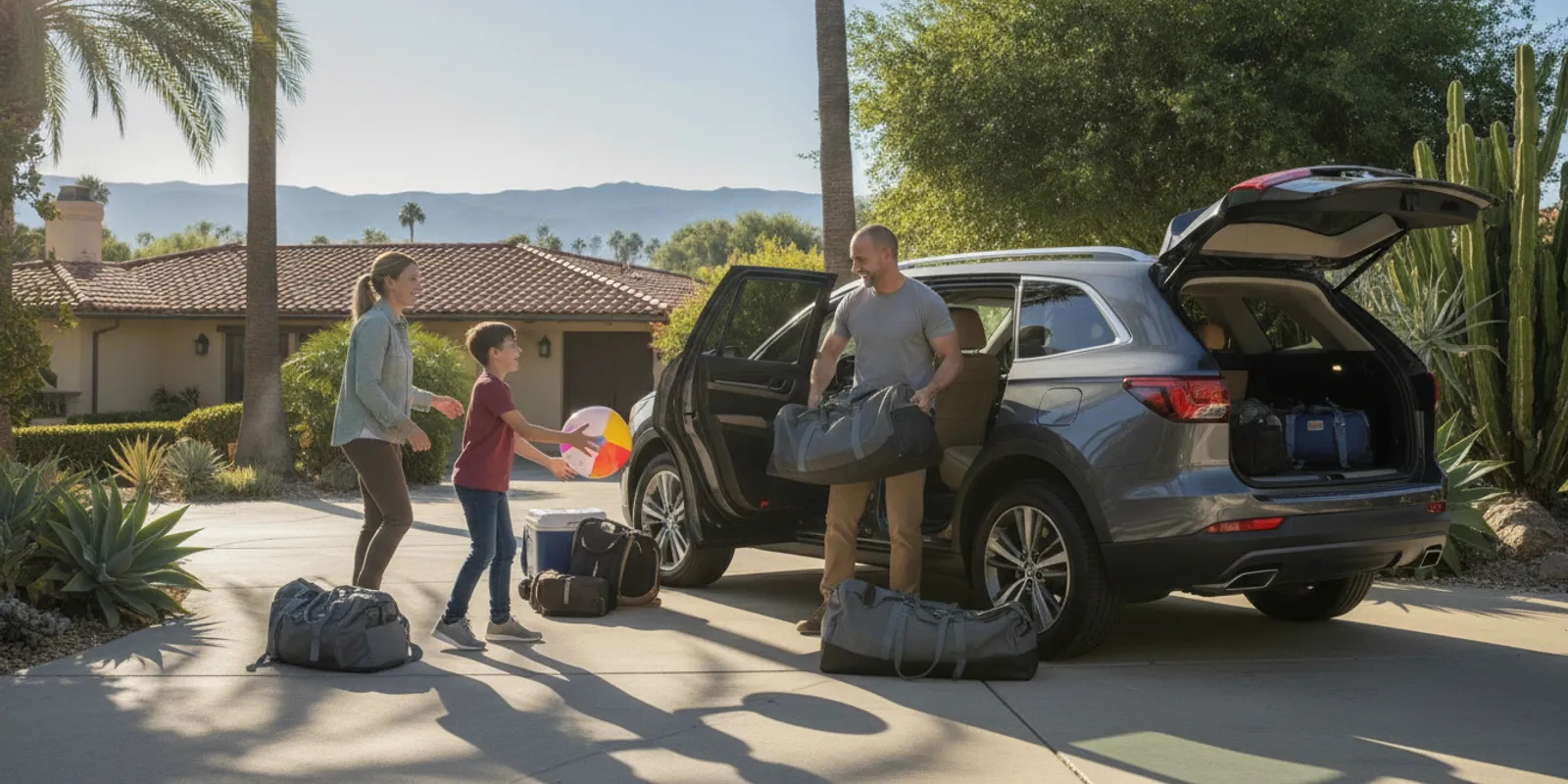
Choosing the best SUV for military families starts with the household’s real routine, not a badge or a long feature list. A vehicle may need to handle a changing commute, school and family errands, a relocation, and a long drive with luggage. The right choice depends on passengers, cargo, budget, local roads, and the service options available where you are going.
What makes an SUV a good fit for a military family?
Military households do not all have the same transportation needs. A family with young children may care most about rear-door access, child-seat installation, and room for a stroller. A household with older children may need space for sports equipment, school bags, and passengers who are still growing. A service member who commutes alone most days may put greater value on driver comfort, manageable fuel use, and easy parking than on maximum seating.
Start by describing two situations: a normal week and a demanding travel day. Count the people who ride together regularly. List the items that must fit at the same time, such as child seats, a stroller, luggage, mobility equipment, or work gear. Then consider the routes you drive now and what could change if your home, work location, or parking situation changes.
There is no single best SUV for every military family. A compact SUV may work for a smaller household that wants a manageable footprint. A midsize SUV may offer a useful balance of passenger space and everyday cargo flexibility. A larger SUV can make sense when more seating or cargo room is essential, but it also takes more space and may use more fuel. Compare each vehicle with your own routine rather than assuming bigger is automatically better.
How should you plan for a move or a changing commute?
A relocation can change the kind of driving you do. One assignment may involve short trips on busy streets; another may bring a longer highway commute, more weekend travel, different weather, or rougher access roads. Since the next routine may be uncertain, focus on flexibility. Ask whether the SUV works for everyday needs today and remains practical if your commute, parking, or family schedule changes.
For High Desert shoppers around Barstow and the wider San Bernardino County area, include your actual local driving in the evaluation. Consider how far you travel for work, school, errands, or recreation, and how often your route includes highways or unpaved access roads. Conditions differ from trip to trip, so do not choose a drivetrain based on a broad label alone. Match the configuration to the roads you expect to use, and check the vehicle’s own guidance.
Think through a move in practical terms. Will the vehicle fit in a garage or a narrow parking space? If your household relies on one vehicle, would routine maintenance be easy to plan around? If you have another vehicle, could that change what you need from the SUV? Write down what you know and what remains uncertain. This helps you avoid paying for a feature based only on a hypothetical situation, while leaving room for needs you can already anticipate.
Military households may also want to organize their vehicle research alongside other move-related planning. For readers looking for public background information, the federal Data.gov catalog search for military-family datasets provides a starting point for finding government datasets related to military families. It is not a vehicle-selection guide, so use it for general research rather than as evidence that one SUV is right for your household.
How much passenger and cargo flexibility do you need?
Seat count is only a starting point. Check how easy it is to reach each row, buckle children, and adjust child seats. Bring the child seats you use, if practical, and check how they fit in the specific vehicle. A seating layout that looks roomy in a listing may feel different when several people and their everyday belongings are aboard.
Assess cargo space with the seats in the positions your family will actually use. Some households need room behind the rear seats for groceries or a folded stroller. Others can fold a seat when they need to carry bulkier items. If you regularly carry several passengers and gear at once, measure the space and test your real items instead of relying only on a published capacity figure.
- Bring a stroller, sports bag, or another bulky item you carry often and see how it fits.
- Check whether the cargo floor is easy to load and whether smaller items can be kept secure.
- Try the rear doors and seat-folding process, especially if children will use the vehicle daily.
- Check access and visibility while loading passengers in a parking space.
- If you are considering a roof carrier or other add-on, check the vehicle’s instructions before choosing or installing one.
Make the same checks on every candidate. If an SUV has a third row, ask whether your family will use it often enough to justify the added size. A third row may help with occasional passengers, but available cargo room can change when every seat is occupied. If you rarely carry more than five people, compare a two-row SUV with a three-row option before deciding.
Which SUV size makes sense for your family?
Size labels can help narrow a search, but they do not tell the whole story. Compare the passenger layout, cargo opening, outward visibility, and ease of parking. A smaller vehicle can still be a poor fit if the rear seating or cargo area does not work for your needs. A larger vehicle can be sensible if you regularly carry passengers and gear, but see how it fits your garage and usual parking spaces.
| Starting point | May suit a family that | What to check |
|---|---|---|
| Compact SUV | Usually carries a smaller group and wants a manageable footprint | Rear-seat fit, cargo with passengers aboard, and longer-trip comfort |
| Midsize two-row SUV | Wants a balance of passenger room and everyday cargo flexibility | Child-seat access, luggage space, and parking fit |
| Midsize or larger three-row SUV | Often needs extra passenger seating | Access to the rear row, cargo with all seats in use, and overall size |
This is a comparison framework, not a promise that every model in a size class will fit the same way. Model year, trim, seating arrangement, and equipment can affect details. Check the exact vehicle and compare specifications for that configuration. If you are comparing two sizes, test both with the same passengers and cargo; otherwise, the roomier option may seem better simply because it had a different load.
How should you compare commute comfort and efficiency?
For a long or frequent commute, small details can matter every day. Sit in the driver’s seat and adjust it as you would for a typical trip. Check whether the controls are easy to reach, the seat feels supportive, and the cabin works for both quick errands and longer stretches. If another adult regularly drives, have that person make the same adjustments.
On a test drive, use a route that resembles your routine where possible. Notice how the SUV feels in stop-and-go traffic, on a highway, and while parking. Listen for sounds that make conversation difficult, and check whether sightlines work for you. A short drive cannot predict long-term comfort, but it can reveal concerns you would rather identify before choosing.
Efficiency deserves a practical comparison, especially if the family drives many miles or expects a longer commute. Compare fuel-economy information for the exact model year and configuration, and consider how your mix of city and highway driving may affect real use. Published estimates are comparison aids, not guarantees of what one household will achieve. Include fuel costs in your monthly planning alongside insurance, maintenance, and financing.
If you are considering a hybrid or another powertrain, first confirm which versions are offered in the model and year you want. Think about trip length, access to suitable fuel or charging, and where you would arrange service. Do not assume that a configuration is currently available or suitable for every commute; verify the details of the specific vehicle.
Do you need all-wheel drive or four-wheel drive?
Available drivetrain options vary by model and configuration. Decide based on where and how you drive, not on the impression that one system is always necessary. A family that mostly travels on paved roads may have different priorities from one that regularly drives on challenging terrain. If work, home, or recreation involves conditions that may call for added capability, identify those conditions and ask what the exact vehicle is designed to handle.
All-wheel drive and four-wheel drive are not interchangeable labels for every situation. Systems and operating instructions differ, and neither replaces appropriate tires, safe driving, or attention to road conditions. Check the specifications and owner information for the vehicle. Ask how the system works on the exact model and trim, including any operating limits or maintenance considerations.
For families moving between regions, consider whether the drivetrain will be useful in regular driving or only on an occasional trip. Added equipment can affect purchase cost and fuel use, depending on the vehicle. If you cannot name a likely use for it, compare a version without that feature. If you do need it, verify the configuration rather than relying on a model name that may include several setups.
How important is service access during a move?
Service access can be a practical consideration when a family relocates. Before selecting a vehicle, find out what routine maintenance it requires and how you would arrange service near your current home or a likely destination. Availability depends on location, so confirm it instead of assuming a particular provider will be close by. A local dealer group with Toyota, Nissan, Jeep, RAM, Dodge, and Chrysler franchises can be one place to explore options for those brands; verify that the service you need is offered at the location you plan to use.
Keep maintenance records and the vehicle’s owner materials together so they are easier to find after a move. Ask what service intervals apply to the exact vehicle and how its warranty terms work. Do not assume coverage or service access transfers in a particular way without checking the written terms and asking the manufacturer or dealer for clarification.
If you are comparing used SUVs, examine the history and condition of each specific vehicle. Ask what records are available, whether relevant repairs have been made, and what inspection information can be shared. A certified pre-owned label has program-specific terms, so review the coverage, eligibility, and included benefits for that vehicle rather than treating every program as identical.
Which Toyota, Nissan, Jeep, or Chrysler options should you compare?
Use model names to build a shortlist, not to reach a verdict. Toyota examples to investigate may include the RAV4, Highlander, and 4Runner. Nissan examples may include the Rogue and Pathfinder. Jeep examples may include the Grand Cherokee and Wrangler. These vehicles differ in size, purpose, and available configuration, and details can change by year and trim. Confirm the equipment and specifications on the actual vehicles you are comparing.
Chrysler’s Pacifica is a minivan rather than an SUV, but it may be relevant to a family whose leading priorities are passenger access and flexible seating. It can be useful to compare the vehicle type that meets your needs, even if it is outside the original search. If an SUV is a firm requirement, keep the main comparison focused on SUVs and consider a minivan only if your priorities change.
For each candidate, write down what matters most: passenger access, cargo with required seats in use, commute comfort, efficiency, drivetrain, and service planning. Mark each item as essential, preferred, or optional. This makes it easier to compare Toyota, Nissan, and Jeep options without letting one appealing feature outweigh a more important everyday need.
Availability and equipment vary. Check new vehicle inventory and used vehicle inventory to see what is currently listed, then confirm model year, trim, drivetrain, seating, and included features with the dealership. An online listing is a starting point; verify the specific vehicle before making a trip or decision.
How can you compare a new SUV with a used one?
A new and a used SUV can both be worth considering, depending on budget and priorities. Compare the complete terms and condition, not just the advertised price or monthly payment. For a new SUV, confirm the equipment, written warranty terms, total amount due, and any current incentives that apply. Incentives and availability can change, so ask for current details in writing.
For a used SUV, look at mileage, condition, ownership and service records when available, and any inspection or vehicle-history information offered. Ask which costs may be due soon, such as routine maintenance, tires, or other wear items. If the vehicle is described as certified pre-owned, read the program details and confirm exactly what coverage applies to that vehicle.
When comparing payment options, keep the loan term, down payment, interest, fees, and total cost in view. A lower monthly payment can involve a longer repayment period, so compare the overall commitment. If you have a trade-in, consider its value separately from the SUV’s price. That helps you understand each part of the transaction rather than treating one number as the entire deal.
What should you bring to a test drive?
A little preparation can make a dealership visit more useful. Bring the people who will regularly ride in the SUV, if possible. Bring child seats, a stroller, mobility equipment, or representative luggage if those items shape your decision. Have a written list of must-haves and questions so you can compare candidates consistently.
- Confirm the model year, trim, seating arrangement, and drivetrain of the exact vehicle.
- Adjust the driver’s seat, mirrors, and steering position; check that the controls feel straightforward.
- Test rear-seat access, child-seat space, and cargo room with seats in the positions you need.
- Drive in a way that reflects regular use, including parking and a longer road segment when practical.
- Ask about maintenance needs, warranty terms, and available service or vehicle records.
- Request a written breakdown of price, fees, financing terms, and any trade-in estimate.
Take notes immediately after driving each vehicle. A simple scorecard can prevent details from blending together when you test more than one SUV. Rate each candidate against your priorities, then identify any unresolved question. If a specification or term is unclear, ask for an explanation in plain language and check the written information before deciding.
What questions should military families ask before choosing?
Before settling on an SUV, ask questions that connect the vehicle to your household’s circumstances. What needs to fit on an ordinary school or work day? How often do you carry all passengers and luggage together? Is the vehicle easy to park at home and work? Would the selected drivetrain be useful on typical routes? Where could you arrange service if you move? Which ownership costs should be part of the budget?
Also consider how long you expect to keep the vehicle and whether your family size or routine may change. A vehicle that works today should not be judged only by a hypothetical future, but foreseeable changes are worth including. If a move is imminent, check what you can confirm about the next location rather than making assumptions about roads, climate, or service facilities.
Keep a short comparison sheet with the vehicle, model year, trim, key fit notes, current price information, and questions. This can help when looking across brands or comparing new and used options. It gives each household member a chance to discuss the same facts and makes it easier to revisit the decision after a test drive.
What is a practical next step?
Choose two or three SUVs that appear to meet your essential needs, then verify the details on each exact vehicle. Check passenger and cargo fit, test the drive, review ownership terms, and compare the full costs. For military families in Barstow and surrounding High Desert communities, a clear shortlist makes it easier to evaluate available Toyota, Nissan, Jeep, and other family-vehicle options without assuming one model is right for everyone.